- Electropathy Clinic Bakori Road ,Near Radheshwari Nagar Wagholi , Pune - 412207
- Monday - Saturday : 10:00 am - 8:00 pm


Gallery Posts







Lorem ipsum dolor sit amet, consectet eiusmod tempor incididunt ut labore e rem ipsum dolor sit amet. sum dolor sit amet, consectet eiusmod.
| Mon - Fri: | 8:00 am - 8:00 pm |
| Saturday: | 9:00 am - 6:00 pm |
| Sunday: | 9:00 am - 6:00 pm |
Understanding Kidney Disease: Causes, Symptoms, and Prevention
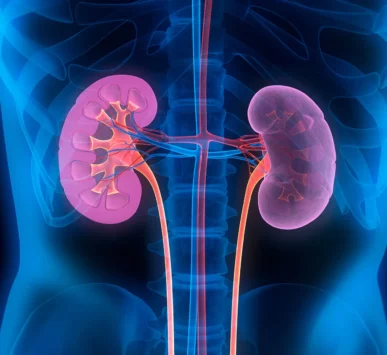
Kidney disease is a serious health condition that affects millions of people worldwide. The kidneys are vital organs responsible for filtering waste and excess fluids from the blood, maintaining electrolyte balance, and producing hormones that regulate blood pressure and red blood cell production. When the kidneys are damaged, their ability to function is impaired, leading to a range of health problems. In this blog, we’ll explore the causes, symptoms, and prevention strategies for kidney disease.
Kidney disease refers to any condition that damages the kidneys and affects their ability to filter blood effectively. It is often categorized into two types:
Acute Kidney Injury (AKI): A sudden decline in kidney function, often due to severe infections, dehydration, or toxic exposure.
Chronic Kidney Disease (CKD): A gradual loss of kidney function over time, typically caused by underlying conditions such as diabetes or hypertension.
Diabetes: High blood sugar levels can damage the blood vessels in the kidneys over time.
Hypertension: Chronic high blood pressure puts extra strain on the kidneys, leading to damage.
Infections: Conditions like urinary tract infections (UTIs) can, if untreated, spread to the kidneys.
Autoimmune Diseases: Lupus and other conditions can cause inflammation in the kidneys.
Lifestyle Factors: Smoking, poor diet, and lack of exercise contribute to kidney strain.
In the early stages, kidney disease may not cause noticeable symptoms. However, as the condition progresses, you may experience:
Fatigue
Swelling in the hands, feet, or face
Frequent urination, especially at night
Blood in urine or foamy urine
Persistent itching
Nausea or vomiting
Difficulty concentrating
If you notice any of these symptoms, it’s important to seek medical attention promptly.
Preventing kidney disease involves adopting a healthy lifestyle and managing underlying health conditions effectively. Here are some practical tips:
Maintain a Healthy Diet: Focus on consuming whole grains, fruits, vegetables, and lean proteins. Limit salt and sugar intake to reduce blood pressure and diabetes risk.
Stay Hydrated: Drink plenty of water to support kidney function and prevent kidney stones.
Regular Exercise: Engage in physical activity to maintain a healthy weight and blood pressure.
Control Blood Sugar Levels: Monitor and manage diabetes with the help of a healthcare professional.
Avoid Smoking and Alcohol: These habits can harm your kidneys and overall health.
Regular Check-ups: If you have a family history of kidney disease or other risk factors, schedule routine kidney function tests.
For those diagnosed with kidney disease, treatment depends on the stage and severity. Early stages may require lifestyle changes and medication, while advanced stages might need dialysis or kidney transplant. Partnering with a healthcare provider is essential for managing the condition effectively.
Kidney disease is a preventable and manageable condition if caught early. By understanding the causes, recognizing the symptoms, and adopting a proactive approach to health, you can protect your kidneys and enjoy a better quality of life. Spread awareness about kidney health and encourage those around you to prioritize their well-being.
Message on WhatsApp
 Optimized by Seraphinite Accelerator