- Electropathy Clinic Bakori Road ,Near Radheshwari Nagar Wagholi , Pune - 412207
- Monday - Saturday : 10:00 am - 8:00 pm


Gallery Posts







Lorem ipsum dolor sit amet, consectet eiusmod tempor incididunt ut labore e rem ipsum dolor sit amet. sum dolor sit amet, consectet eiusmod.
| Mon - Fri: | 8:00 am - 8:00 pm |
| Saturday: | 9:00 am - 6:00 pm |
| Sunday: | 9:00 am - 6:00 pm |
Understanding Digestive System Disorders: Causes, Symptoms, and Treatments
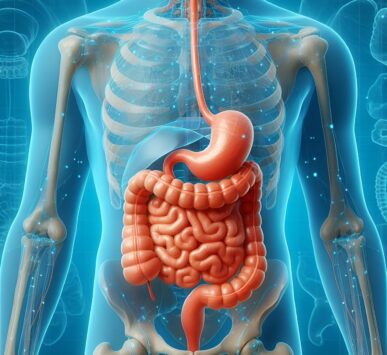
The digestive system plays a vital role in maintaining overall health by breaking down food, absorbing nutrients, and eliminating waste. However, digestive system disorders can disrupt these processes, leading to discomfort and other health issues. In this blog, we’ll explore the common types of digestive disorders, their symptoms, causes, and available treatments to help you understand how to manage them effectively.
Acid Reflux (GERD)
Gastroesophageal reflux disease (GERD) occurs when stomach acid flows back into the esophagus, causing heartburn, regurgitation, and discomfort.
Irritable Bowel Syndrome (IBS)
A chronic condition affecting the large intestine, IBS can cause cramping, bloating, gas, and diarrhea or constipation.
Crohn’s Disease
This inflammatory bowel disease (IBD) causes inflammation in the digestive tract, leading to abdominal pain, severe diarrhea, weight loss, and malnutrition.
Ulcers
Peptic ulcers are open sores that develop on the inner lining of the stomach or small intestine, often caused by H. pylori bacteria or long-term NSAID use.
Celiac Disease
An autoimmune disorder where consuming gluten triggers damage to the small intestine, leading to digestive issues and nutrient malabsorption.
While symptoms vary depending on the disorder, common signs include:
Abdominal pain or discomfort
Bloating and gas
Nausea and vomiting
Diarrhea or constipation
Unexplained weight loss
Fatigue and weakness
If you experience persistent or severe symptoms, it’s crucial to seek medical attention for a proper diagnosis.
Digestive system disorders can arise from various factors, such as:
Diet: High-fat, low-fiber diets or excessive consumption of spicy and processed foods can contribute to issues.
Lifestyle: Smoking, alcohol consumption, and lack of exercise increase the risk of digestive problems.
Medical Conditions: Conditions like diabetes, autoimmune disorders, or infections can impact digestive health.
Stress: Chronic stress can affect gut health and exacerbate symptoms.
Genetics: Family history plays a role in disorders like Crohn’s disease or celiac disease.
Accurate diagnosis is essential for effective treatment. Common diagnostic methods include:
Physical exams and medical history reviews
Laboratory tests, including blood and stool analyses
Imaging techniques like X-rays, CT scans, or MRIs
Endoscopy or colonoscopy for direct examination
Treatment depends on the specific disorder and its severity but often includes:
Medications: Antacids, proton pump inhibitors, antibiotics, or anti-inflammatory drugs.
Dietary Changes: Adopting a balanced diet, avoiding trigger foods, and ensuring proper hydration.
Lifestyle Modifications: Quitting smoking, reducing alcohol intake, managing stress, and staying active.
Surgical Interventions: In severe cases, surgery may be necessary, particularly for IBD or ulcers.
Prevention and management of digestive disorders often rely on maintaining a healthy lifestyle. Here are some tips:
Eat a fiber-rich diet with plenty of fruits, vegetables, and whole grains.
Drink sufficient water to aid digestion.
Exercise regularly to support gut motility.
Avoid overuse of NSAIDs and reduce stress through relaxation techniques.
Digestive system disorders can significantly impact your quality of life, but understanding their causes, symptoms, and treatments is the first step toward effective management. If you suspect a digestive issue, consult a healthcare provider for personalized advice and care. With the right approach, many digestive disorders can be managed or even prevented, allowing you to enjoy better health and well-being.
Message on WhatsApp
 Optimized by Seraphinite Accelerator